
| Agency | What they do | People | Location | Website |
|---|---|---|---|---|
| Plus Nine Design | Turn your website into a full time sales person! | 2 - 9 | Dublin | www.plusninedesign.com/ |
| Glassfull Media | Enhance Digital Presence, Generate Leads and Sales | 2 - 9 | Dublin | glassfullmedia.ie |
| NetVenture Digital Solutions Pvt. Ltd. | Top Web Designers and Developers in India | 10 - 49 | Dublin | www.netventure.in/ |
| Dotser | Dotser can help you make your money. | 10 - 49 | Dublin | www.dotser.ie/ |
| creative pixels | You ambition is our driving passion | 2 - 9 | Dublin | creativepixels.ie/ |
| Aspire Media | We’re all about business results | 2 - 9 | Dublin | aspiremedia.ie |
| Marino Software | The perfect partner for building your software | 50 - 249 | Dublin | www.marinosoftware.com/ |
| New Graphic | Communicating with clarity and style. | 10 - 49 | Dublin | newgraphic.ie |
| Get Going Design | Award winning web design | 2 - 9 | Dublin | www.getgoingdesign.ie/ |
| thenet.ie | DIGITAL MARKETING MADE EASY | 2 - 9 | Dublin | www.thenet.ie/ |
| Affirma Consulting | Dependable, Global Technology Services | 250 - 999 | Dublin | www.affirma.com |
| SEOWizard | SEO, Web Design Service, Social Media Marketing | 2 - 9 | Dublin | seowizard.ie |
| BigNet Design | Web Design Company Dublin | 2 - 9 | Dublin | www.bignetdesign.com/ |
| InsideOut Consulting | We elevate brands | 2 - 9 | Dublin | www.insideoutconsulting.ie |
| Arekibo | Ireland's largest digital platform agency | 10 - 49 | Dublin | arekibo.com/ |
Best 15+ SEO Agencies in Dublin
Discover and compare agencies within minutes.
- 30,000+
- brands, since 2019
- 400+
- vetted agencies
- 1,000+
- successful projects








Explore List Of Dublin's Top Rated SEO
15+ agencies in this category
Search services
Search location
Plus Nine Design
SEO
Plus Nine Design are an SEO and Web design agency base din Dublin, Ireland. We work with Irish businesses to increase their revenue.
2 - 9members
From$1,000+forSEO
Located inDublin
Glassfull Media
SEO
Hire Glassfull Media to get quality, scalable digital marketing services for your business. Glassfull Media specialise in lead generation, website design, website development, paid ad management, automations and scaling established businesses. Start with a new website and leave with a marketing partner. Perfect for SMEs and Agencies.
2 - 9members
From$1,000+forSEO
Located inDublin
NetVenture Digital Solutions Pvt. Ltd.
SEO
With seventeen years of industry experience and ever-expanding creative prescience, NetVenture Digital Solutions offers high-quality web design solutions at affordable prices. We offer profitable website design management systems and online strategy website development services. Our team of ardently dedicated staff rightly senses the pulse of our client's projects and provides them with high-impact web solutions. Why Choose NetVenture? * 17 Years of industry experience * 1000+ Successful Projects Delivered * 250+ Clients spread over 12 Countries * Solid Domain Experience * Established & Matured Processes * Over 5 times growth since Inception * Price competitiveness * Impressive Reputation & Portfolio With our innovative and reliable website design and development solutions, many a lot of companies have acquired glorious heights in the areas concerned. Expertise is our capital. Sincerity towards the projects that we commit is our success secret. Many internationally reputed firms joined hands with us during their infancy. They invested their faith in us so as to receive the reward of their present prestigious status as international brand names. What enables us to execute high-value services and customized solutions at affordable costs is our commitment to creating a superior infrastructure version.
10 - 49members
From$1,000+forSEO
Located inDublin
Get offers from experienced agencies tailored to your goals.
Dotser
SEO
Delivering customized web solutions for over 20 years, Dotser has created specialist cloud software to speed up and automate processes, save time, remove the paper, save money and provide precise live information across the organization. Businesses that use Dotser software include leading companies in eCommerce, Hardware & Tools, Machinery & Parts, Resource Management and Event Management.
10 - 49members
FromUndisclosedforSEO
Located inDublin
creative pixels
SEO
At Creative Pixels I understand that attracting and retaining customers is key to business success. I support clients in creating a memorable customer experience that starts with the critical first impression and develops into a life-time customer relationship. I will help you build a powerful brand that effectively communicates your message, giving you an edge in today's competitive marketplace.
2 - 9members
FromUndisclosedforSEO
Located inDublin
Aspire Media
SEO
Aspire Media is a fast growing Dublin web design & SEO company helping Irish businesses thrive in the digital space & achieve their business objectives.
2 - 9members
From$1,000+forSEO
Located inDublin
Get offers from experienced agencies tailored to your goals.
Marino Software
SEO
Marino Software is Ireland's largest independent mobile software consultancy. We’re a committed team with a broad breadth of experience. Our primary aim is to work with our clients to deliver secure, robust, stable and attractive digital products across the full range of mobile devices and beyond.
50 - 249members
From$50,000+forSEO
Located inDublin
New Graphic
SEO
We work with our clients to help them communicate their message. We do this by asking questions and listening to what they have to say. We then produce memorable and effective solutions, these range from print material and websites to brands and exhibitions. We’re a strategic design firm, one that brings passion, intelligence and personal commitment to our projects. New Graphic was founded in 2007 by partners Diarmuid Slattery and David Garavin having met while completing their MAs at the London College of Communication. Over the years our business has grown and evolved. We’ve built our reputation on collaboration, hard work, strategic thinking, clear communication and the ability to deliver great work on-time & on-budget.
10 - 49members
From$5,000+forSEO
Located inDublin
Get Going Design
SEO
Welcome To Get going design - award-winning web design. With over 20 years of industry experience, Get Going Design has become one of the most dynamic design companies in Ireland. Along the way, we’ve helped businesses large and small, gain online visibility and reach a wider audience by designing some truly great logos, brands, and websites. Whether you’re a new startup, or an established business looking to rebrand, Get Going Design has your back.
2 - 9members
FromUndisclosedforSEO
Located inDublin
thenet.ie
SEO
Since 1999, we have been developing websites for Irish businesses, we have built a strong reputation for always been able to deliver quality websites at affordable solutions for our clients. Like most companies these days we have moved with the times and expanded on our range of services, with more websites wanting to increase their ranking on Google we were able to provide them with an affordable SEO solution.
2 - 9members
From$1,000+forSEO
Located inDublin
Affirma Consulting
SEO
Affirma is an award-winning full service technology consultancy based out of Bellevue, WA. We specialize in Mobile, Cloud, Business Intelligence, SharePoint, Technology Infrastructure, Custom Development, Visual Design, and Staffing Services. We focus on delivering true, measurable business value to our clients. We have a passion for customer satisfaction and are dedicated to delivering dependable and reliable solutions that exceed client expectations.Our clients include Microsoft, the Seattle Art Museum, Seattle Children's Hospital, Starbucks, Blue Nile, TreeTop, MoneyTree, and many more. We have been ranked one of Puget Sound Business Journals “Best Workplaces” and “Fastest Growing Companies” for four years in a row.
250 - 999members
From$5,000+forSEO
Located inDublin
SEOWizard
SEO
SEOWizard provides search engine optimisation (SEO), social media marketing, web design services, and consultancy in the above fields in Ireland. We are new but one of the fastest-growing companies in our niche in Dublin. We understand that every business has unique requirements and budgets. Therefore, we customise our services to deliver the best value to our clients at competitive prices. Our search engine optimisation packages consider various factors such as the size of your business, demographic location, and budget. We offer multiple online marketing services to strengthen your online business's competitiveness. We develop unique and result-driven digital marketing strategies and packages to let your business leap ahead of all its online competitors in terms of search engine ranking, revenues, internet visibility and business popularity. We provide affordable and customised SEO and web design solutions. We want to deliver results to ensure that even small companies and new brands can benefit from our comprehensive services and support.
2 - 9members
From$1,000+forSEO
Located inDublin
BigNet Design
SEO
BigNet Design focuses on website design and website development and are recognised as providing one of the best web design services in the industry. We provide a full end to end service and we pride ourselves on working with our clients to produce the best websites available in Ireland. Our team of highly trained website designers and developers have been in the digital marketing space for over 15 years and they have proved themselves to be some of the most talented in the business.
2 - 9members
From$5,000+forSEO
Located inDublin
InsideOut Consulting
SEO
InsideOut is a full service agency specialising in brand design and marketing. We work with a wide range of sectors from pharmaceuticals, healthcare, financial services, sustainable energy, PR, member organisations and travel, with clients such as American Chamber of Commerce, Mater Private Network and Cheshire Ireland. Our services include strategic consulting, brand identity, website design, social media marketing, SEO and internal communications. We are senior professionals with a deep understanding of business. Our extensive experience enables us to add real value to every project. We put our clients first and our client relationships are really important to us.
2 - 9members
From$10,000+forSEO
Located inDublin
Arekibo
SEO
Arekibo are Ireland's largest independent digital platform agency. We build your global web presence so you can scale, engage & win. Today a platform is no longer only technology. It's now a combination of strategy, design, content and data integrated into a suite of technology and infrastructure all underpinned with an operational and governance model to accelerate the organisations digital capabilities. Since 2002, we have partnered with private and public enterprises to accelerate and secure their investments in digital. Our clients include AON, Dublin Airport, Irish Government, KPMG, ESB and the Royal College of Surgeons.
10 - 49members
From$25,000+forSEO
Located inDublin

Connect. Convert. Grow.
Start your project today without any cost and meet qualified experts who can get the job done. We help you make the best choice, hassle-free.
- Get quotes at lightning speed
- millions in revenue created
Explore SEO Agencies in Dublin
Didn't find what you were looking for? Browse other categories
Recommended for You
Discover services
Dublin SEO Agencies List (15)
Dublin SEO Agencies Prices
| SEO Agencies | Prices |
| Plus Nine Design | $1,000+ |
| Glassfull Media | $1,000+ |
| NetVenture Digital Solutions Pvt. Ltd. | $1,000+ |
| Aspire Media | $1,000+ |
| Marino Software | $50,000+ |
| New Graphic | $5,000+ |
| thenet.ie | $1,000+ |
| Affirma Consulting | $5,000+ |
| SEOWizard | $1,000+ |
| BigNet Design | $5,000+ |
| InsideOut Consulting | $10,000+ |
| Arekibo | $25,000+ |
Latest SEO Projects
Discover the latest created projects in SEO
What Our Clients Are Saying About Edvido

Elif Cetinkaya
Region Manager at Danone Nutricia
Agency Selection
Edvido agency provided us a quality service with incredible speed during our selection process. It's the only address you can choose with trust in this field.

Seda Yimenicioglu
Product Manager at Orzax Pharmaceuticals
SEO
I use Edvido frequently. It reduces processes that would take weeks to a few days. I am also incredibly pleased with the seo agency we work with.

Nazli Acar
Vivoo
Creative Agency
We were looking for an agency that could do business on a global scale. We started working with an amazing creative agency through Edvido.

Gülin Özgen
Marketing Director at Kingston
Business Partnerships
Edvido is a very good platform for companies looking for new business partners. The match was perfect. Thank you Edvido.

Murat Sargin
Board Member at Cardiac Surgery
Social Media
We concluded our association's search for a social media agency in Edvido. We have a great cooperation with the team we work with.

Metin Uysal
Etkin Group
Software
We were looking for the right company to develop our digital product. Thanks to Edvido, we quickly found the software company that best suited our needs and vision. The process was both fast and highly efficient; working with the right team gave our project a strong start.

Sedat Coşkun
Epikplus CEO
Business Partnerships
If you want to grow, becoming an Edvido member is a must.
Blog & Insights
Explore our marketing and software focused content






![Can You See Who Shared Your Instagram Post? [Updated Guide for 2025]](https://img.edvido.com/adorable_redhead_female_begging_asking_give_some_rate_post_photos_1_1_jpg-e154c.jpg)


Anybody hiring for SEO in this city is competing for people with a very well funded alternative employer. The multinational technology and pharmaceutical operations based here absorb a large share of the experienced practitioners, usually at salaries an independent agency cannot match. That single fact shapes the supplier market more than anything else, and it explains most of what you will notice while shortlisting.
Dublin SEO talent is priced against in house teams at large employers
The practical consequences are worth naming. Agency teams here tend to be small and senior at the top, with delivery handled by newer practitioners or by contractors. Turnover is higher than agencies like to admit. And a proportion of the best independent consultants are people who left an in house role and now take a limited number of clients.
None of this is a warning against buying locally. It is a reason to ask one blunt question of every firm: who will be doing the actual work in month six, and what happens to my account if that person is hired away. A studio that has thought about continuity will have an answer involving documentation and shared accounts. A studio that has not will say it has never been a problem.
The domain question decides which market your SEO competes in
A national domain suffix signals a local business and tends to help in domestic results. A generic one travels better if you sell beyond the island. Most businesses here end up wanting both outcomes and pick badly, then live with the choice for years because migrating is expensive and risky.
There is a second complication specific to this market. Results shown to people here are frequently populated by sites from the larger neighbouring market, because the language is shared and those sites carry more authority. Your competitor set is therefore bigger than your competitor list. Ask an SEO agency to show you, for two or three of your commercial phrases, who is actually occupying the results and where they are based. The answer often reframes the entire budget conversation.
Impressive case studies may not be about your problem
Because of what is headquartered here, a great many local portfolios are full of enterprise software and global brands. That work is genuinely difficult and the results are genuinely impressive. It is also almost entirely irrelevant if you run a professional services firm selling within a few counties, and the techniques do not transfer downward as neatly as the deck suggests.
Ask for the closest match to your situation rather than the most flattering entry, and ask what the budget and timescale were. If the nearest analogue is much larger than you, that is not disqualifying, but it tells you that your account will be small in that agency's book and should be priced and staffed accordingly.
Retainer shape, notice period and the capacity question
Ask everyone for the same disclosures in the same words: named people with roles and roughly what share of their week you buy, the deliverables in an ordinary month stated in specifics, how often you meet and who attends, and the notice period alongside what you keep at the end. Then ask for the fee to be split into strategy, production and running the programme.
In a market this tight, add one more question: how many clients does the person assigned to me currently hold. It is an uncomfortable thing to ask and almost everyone answers honestly, because the number is not usually embarrassing. It is the best available proxy for how much SEO attention you will actually get. If gathering identical answers from several firms sounds like the tiresome part, put the requirement out once and ask for responses in a fixed shape.
Settle what you keep before the relationship needs it
Analytics, the search console property, the tag container, the content system and the domain registration all belong in accounts owned by your business, with the agency granted access. Written material transfers on payment, including the working drafts. The redirect map from any restructure is yours, and so is the list of publications and contacts used to earn coverage.
Given how mobile practitioners are here, add a documentation clause. Ask that the reasoning behind structural decisions lives in a document you can read, not in the head of one account manager. The cost is an hour a month. The alternative is paying a successor to rediscover why your site is built the way it is.
Reading progress in a small market where positions jump
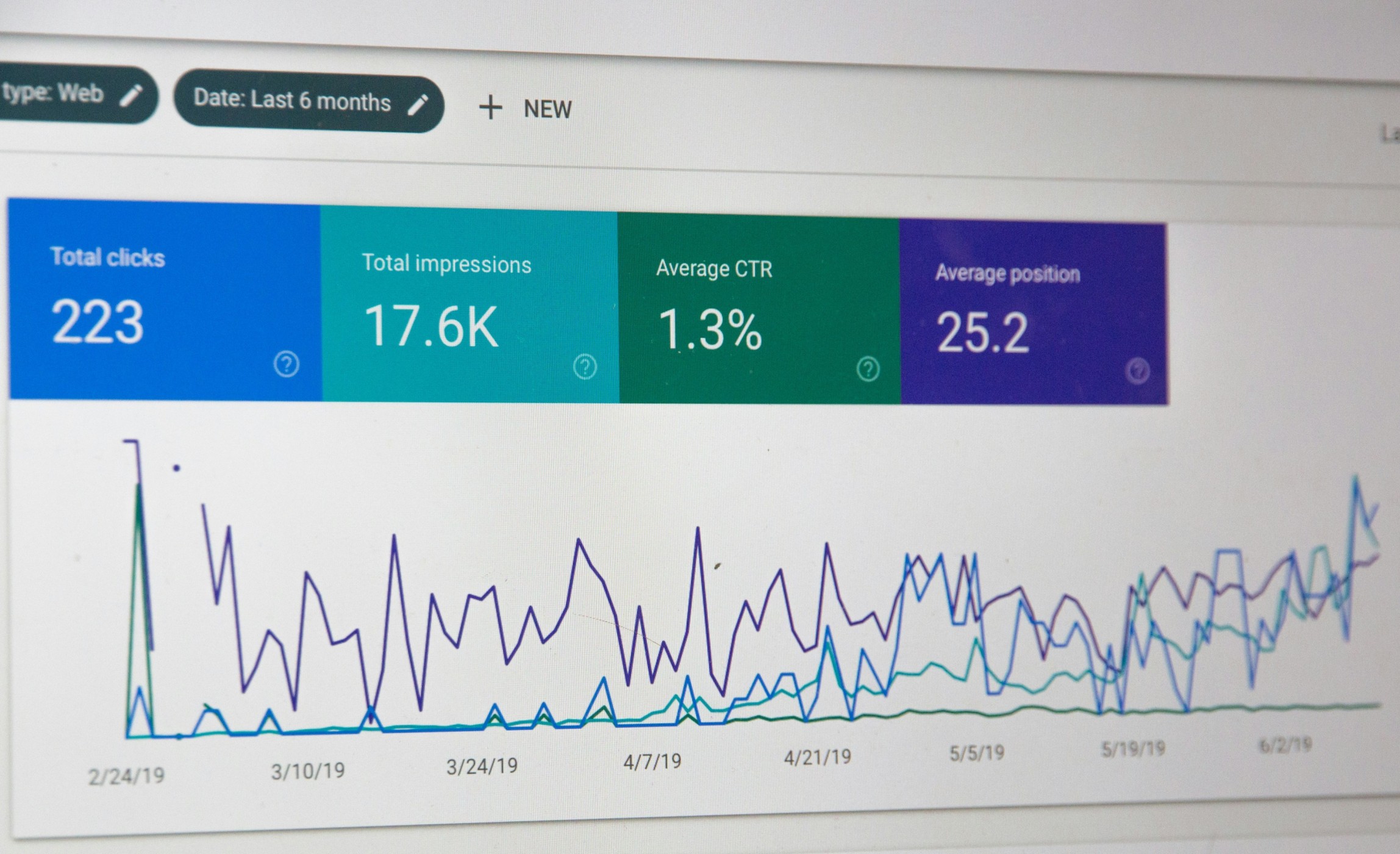
Search volumes here are modest by international standards, and that is the first thing a glossy SEO report will obscure. Small numbers make position charts volatile and misleading. A phrase can swing many places on very little movement, and an agency can present either a triumph or a catastrophe from the same quarter depending on which day it screenshots.
Insist on one commercial measure instead: qualified enquiries and what each costs, with qualification defined by whoever speaks to them. Keep visibility data in the report as diagnostics. Then agree what the first quarter of honest SEO work looks like, which is usually technical fixes landing quickly and content effects arriving much later, so that neither side is arguing about faith at the first review.
If your ambitions extend across the water, the comparison worth making is against agencies in the north of the neighbouring market or suppliers working nationally rather than from the capital. For the wider picture of how these firms are structured, start from the overview of SEO agencies, and if the site itself is the constraint, talk to local product teams or firms that run several channels at once.