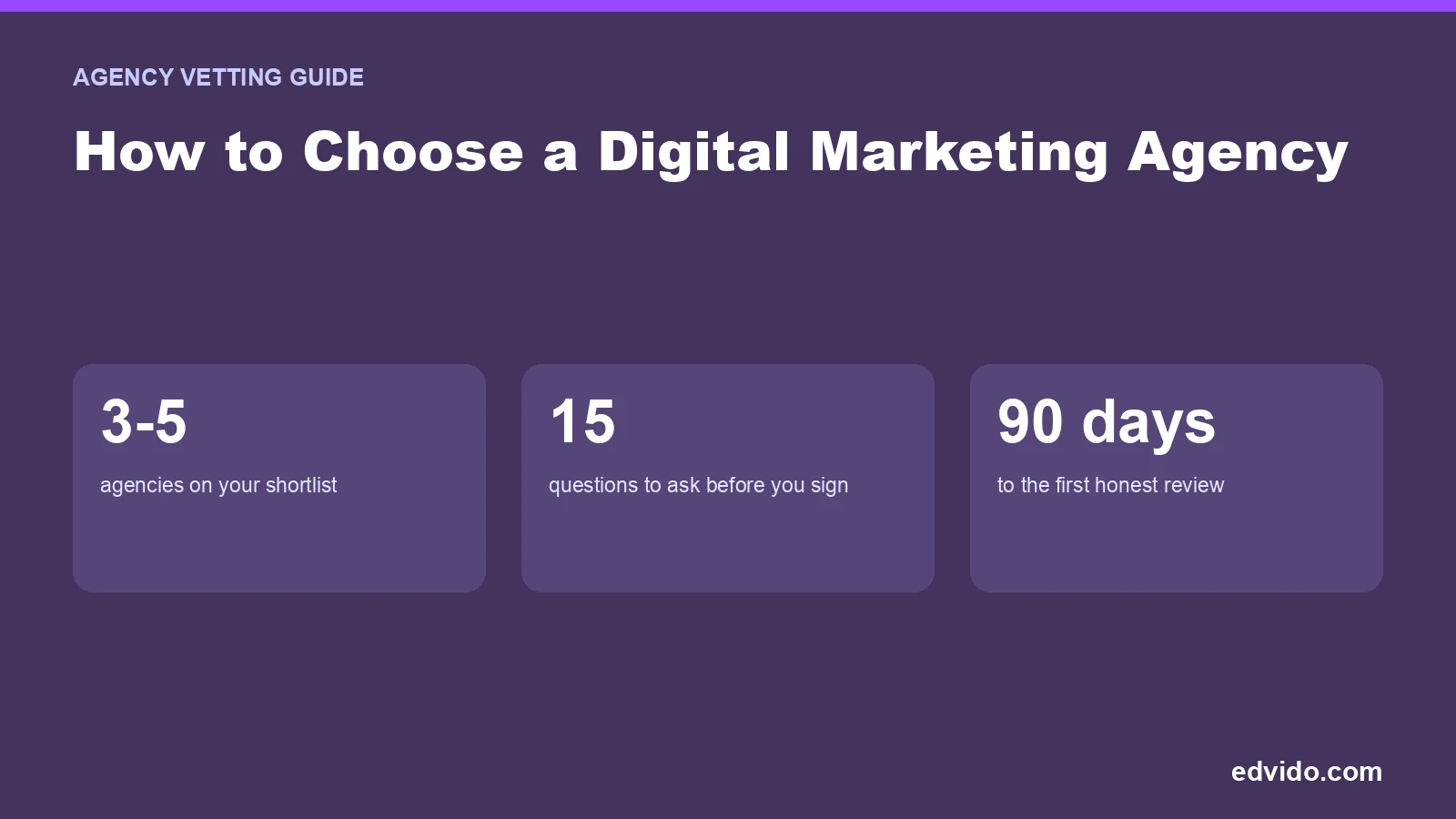
To choose a digital marketing agency, write down the job first: one goal, one budget range, one metric. Then shortlist three to five agencies, read past each directory's default sort, verify case studies with reference calls, compare proposals on the same template, and sign only a contract that leaves you owning your ad accounts and data.
Most guides on how to choose a digital marketing agency stop at "check their reviews and portfolio." They skip what a good reference call sounds like, how to compare three differently structured proposals, and which contract clause will hurt you a year from now. If you're still deciding where to find agencies, our comparison of agency directories and how they order their lists covers that question in depth, so we won't repeat it here.
Start With the Job, Not the Agency
Walk in without a defined job and you'll leave with the agency's standard package.
Before you contact anyone, answer four questions in writing. What business outcome should change in six to twelve months: leads, online sales, bookings, brand search? Which channels do you suspect matter, and which are you only curious about? What can you spend per month, including ad budget, which is separate from the agency fee? And who on your side will approve work, share data and attend the weekly call?
The last one gets skipped constantly. An agency can't move faster than the person who signs off on its work.
One more decision belongs here: specialist or full-service. If your problem is clearly one channel, hire a specialist for that channel. If it's "nothing is connected," a full-service partner makes more sense.
Build a Shortlist of Three to Five
Fewer than three and you have nothing to compare. More than five and you won't do the vetting properly. You'll skim.
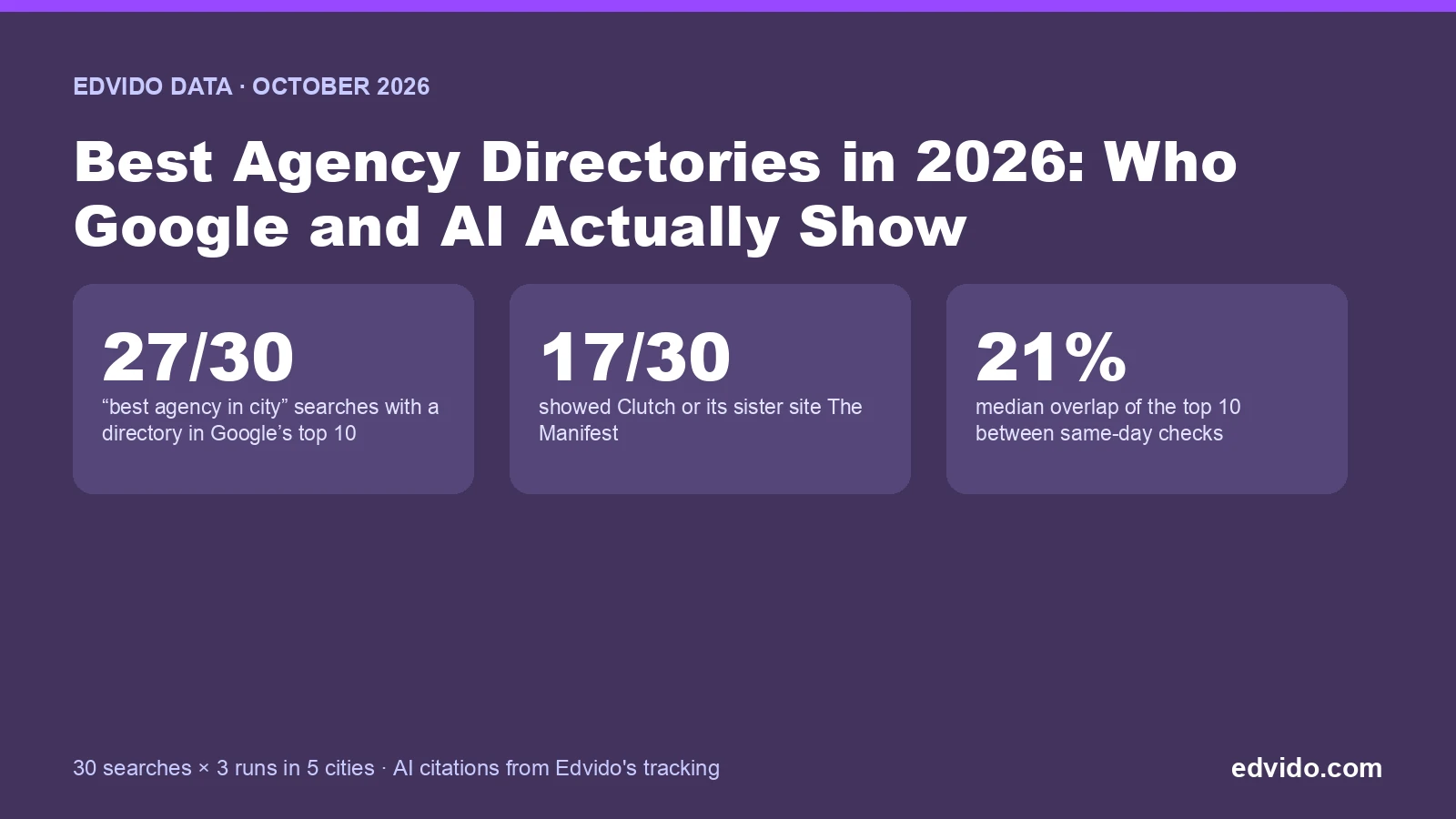
Sources for the shortlist are referrals from peers in your industry, agencies whose work you've noticed, and directories. Directories are useful, but their lists are not neutral rankings. On Clutch, sponsors appear first by default, grouped by tier. DesignRush's default sort is "Sponsored." Each directory has its own sort control; switch away from the sponsored or recommended default before you start picking names. Our directory comparison documents how each one orders agencies.
Cross-check every name on a second source.
How to Vet a Marketing Agency: Case Studies, References, Reviews
This is where the shortlist gets cut. Three types of evidence, each with its own trap.
Case studies: read them like an auditor
A useful case study names the starting point, the action and the result over a stated time period. "We grew traffic by 300%" with no baseline and no dates says almost nothing. Growth from 100 visits to 400 is also 300%.
Ask four things of every case study. Is the client named, or at least the industry and size? Is there a before number and a timeframe? Is the result a business metric (leads, revenue, cost per acquisition) or a vanity metric (impressions, followers)? And who on the agency's current team actually did the work?
References: call them, and ask better questions
Every agency gives happy references; the value is in the details they reveal. Ask for at least one reference whose engagement has ended; a former client is more candid than a current one.
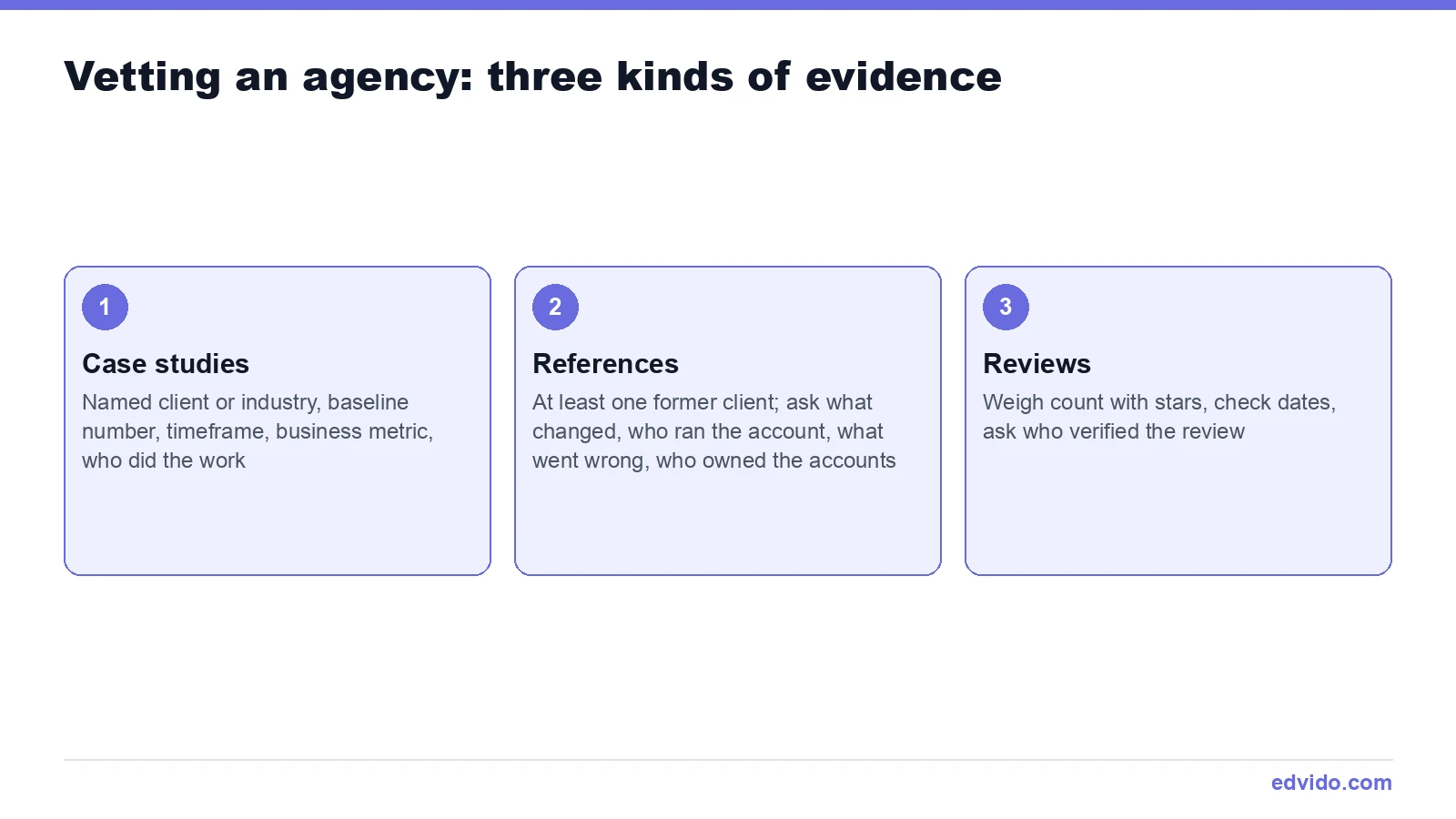
Good reference questions are specific and a little uncomfortable:
- What did you hire them to fix? Check whether it resembles your problem at all.
- What changed in the numbers, and over how long? Listen for a metric and a timeframe, not adjectives.
- Who handled your account day to day? Then ask the agency whether that person would work on yours.
- What went wrong, and how did they handle it? Every engagement has a bad month. You want to hear how they reported it.
- Did you own your ad accounts and data when you left (or would you)? A hesitant answer is a finding.
- Would you hire them again for the same job? "For that, yes, but not for X" is the most useful answer you can get.
Reviews: count, recency, source
A 4.9 rating from twelve reviews and a 4.6 from two hundred are not the same signal. Weigh the count alongside the stars. Then check dates: a burst of reviews in one month followed by silence is worth a question.
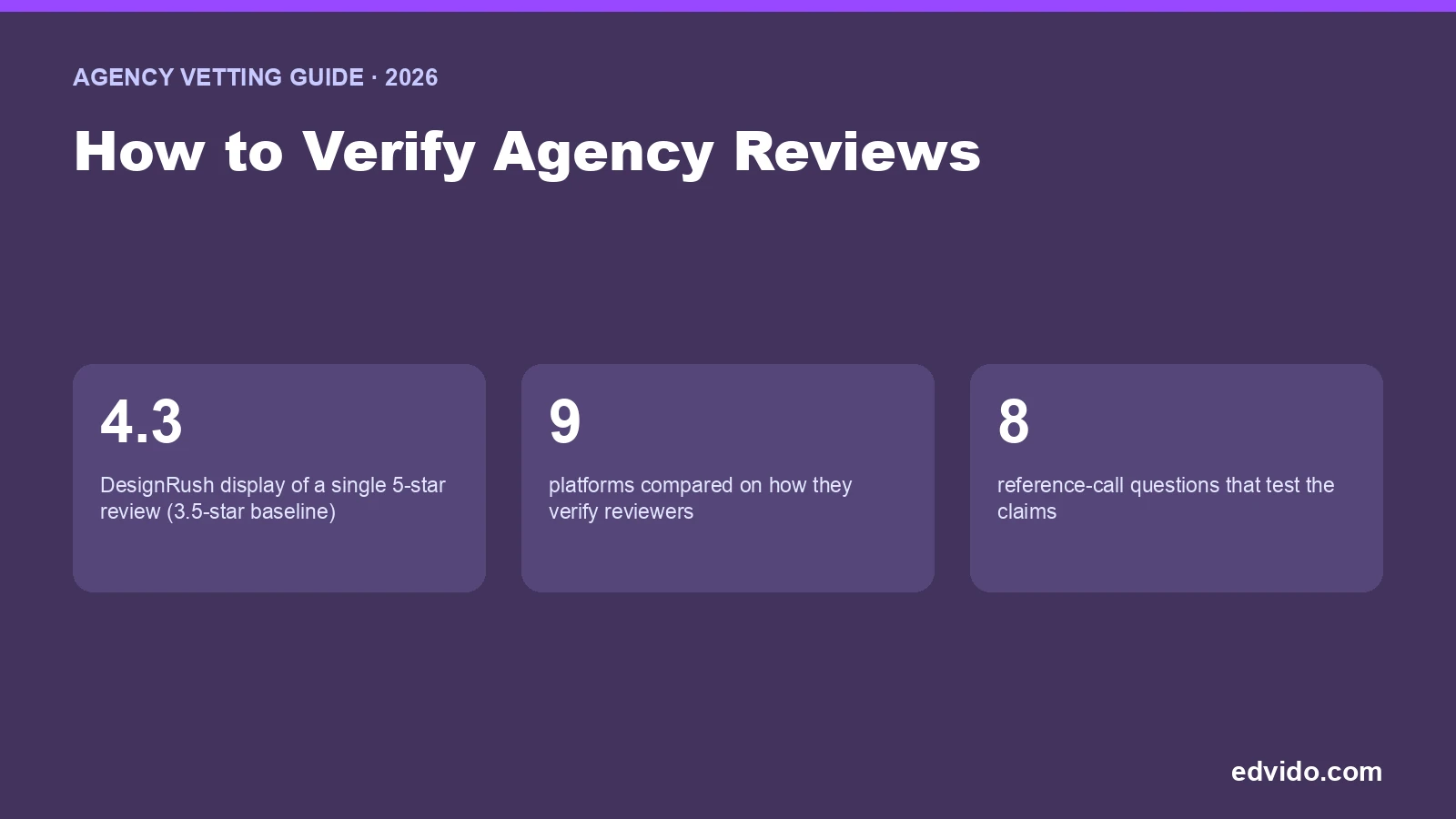
Finally, ask who verified the review. Directories do this differently. Our directory comparison notes that DesignRush says it verifies reviews through LinkedIn, email or phone, and that the Clutch Verified badge checks business registration, reviews, legal history and CreditSafe data. On Edvido profiles, the Google rating shown is the public Google Maps rating, displayed under a "Google Reviews" heading; it is Google's number, not ours. Unverified reviews just carry less weight.
Want a shortlist without building it by hand? Send one brief and get matched with agencies that fit your service, scope and budget.
Get matched freeQuestions to Ask a Marketing Agency Before You Sign
These fifteen questions are grouped by what they reveal. You don't need all of them in the first call; strategy and team questions come early, money and contract questions once you're down to two or three finalists.
Strategy and fit
- Based on our brief, what would you do first, and what would you deliberately not do?
- Which of your current clients looks most like us, and what did you learn there?
- What results do you expect, in what timeframe, and how will we both know it's working?
- When would you tell us a channel isn't worth the money?
Team and process
- Who exactly works on our account, and how much of their week is ours?
- Is any of the work subcontracted or white-labelled? To whom?
- What does a normal week of communication look like, and who is our escalation contact?
- What do you need from us in the first month to do your job?
Reporting and measurement
- Can we see a sample report, with real structure and anonymised numbers?
- Which metrics will you report that connect to revenue, not just activity?
- Will we have direct access to analytics and ad platforms, or only to your reports?
Money and contract
- What is the fee model (retainer, project, percentage of ad spend, performance), and what does it reward?
- Which costs are excluded from the quote: tools, ad spend, content production, extra revisions?
- What is the minimum term and the notice period?
- When we leave, what do we take with us: accounts, data, creative files, landing pages?
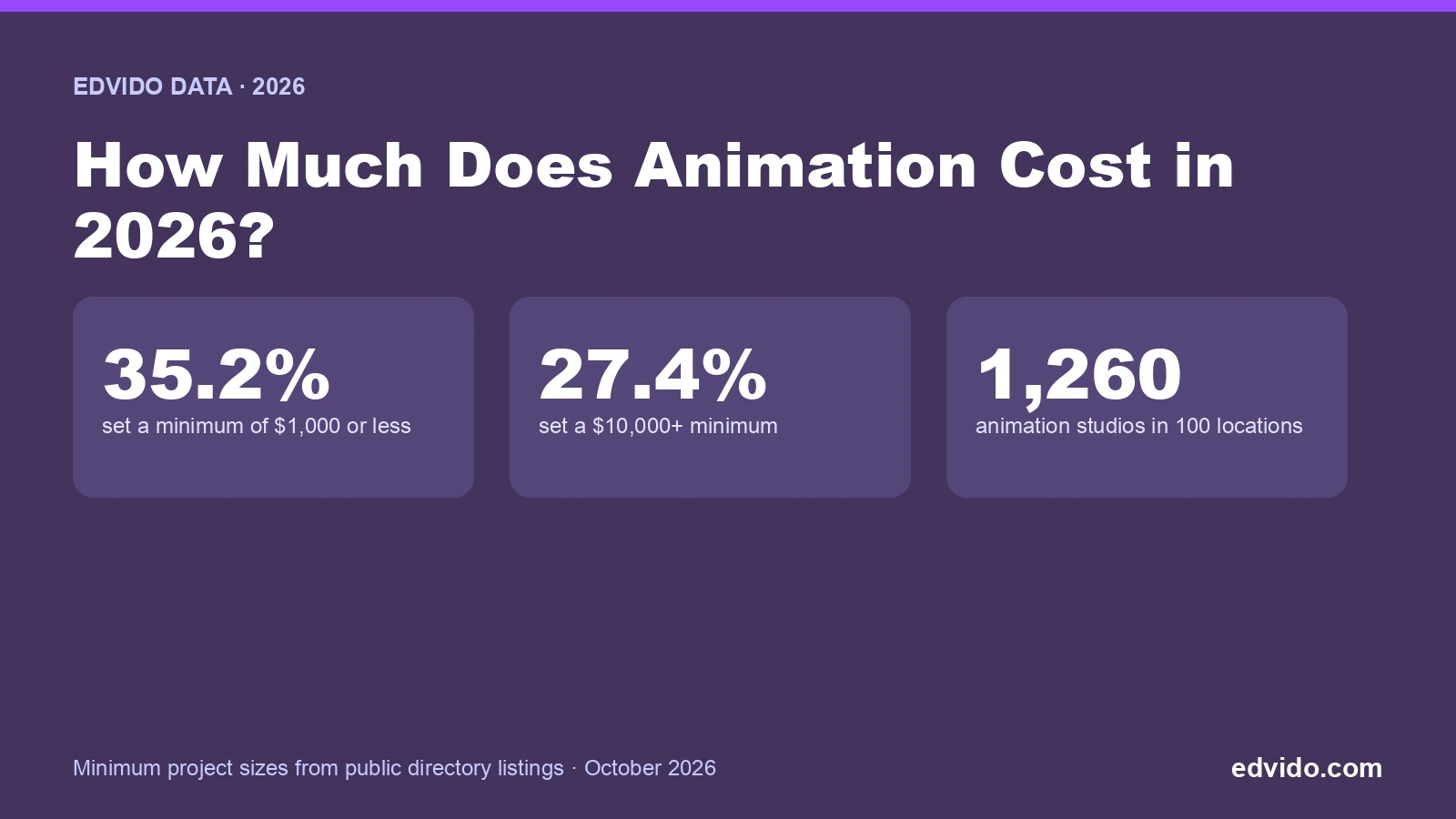
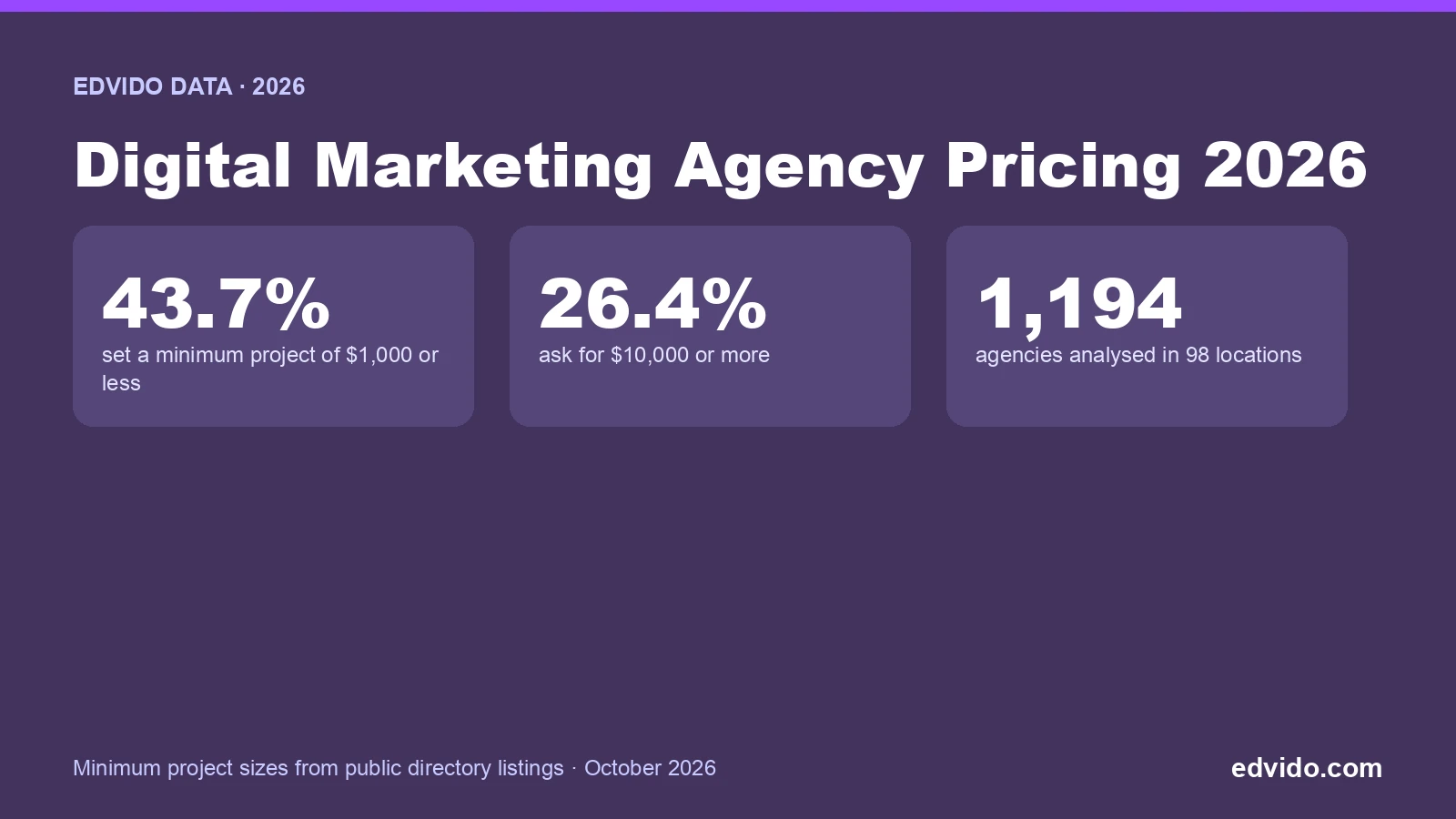
On fee models: percentage of spend quietly rewards spending more; a flat retainer rewards keeping hours low. Know which way the incentive pulls. For context on typical price ranges before you see a quote, see digital marketing agency pricing.
How to Compare Agency Proposals Side by Side
Three agencies, three formats: a long deck, a two-page PDF, a price and a calendar link. Comparing them as they arrive means comparing presentation skills.
Move every proposal into the same grid. A formal marketing agency RFP asks for these fields up front; otherwise, ask finalists to fill the gaps.
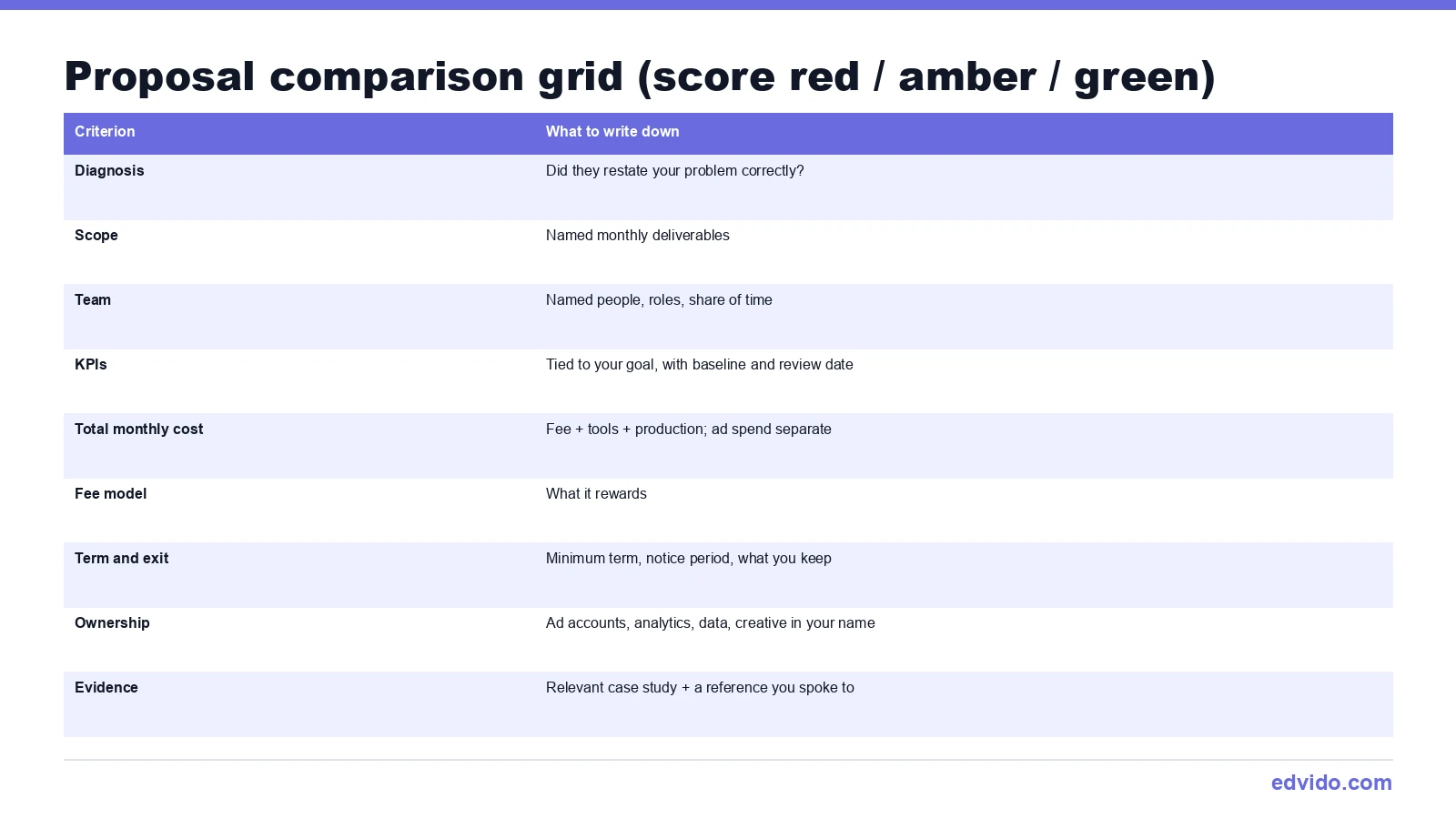
| Criterion | What to write down | Agency A | Agency B | Agency C |
|---|---|---|---|---|
| Diagnosis | Did they restate your problem correctly, in their own words? | |||
| Scope | Named deliverables per month (not "ongoing optimisation") | |||
| Team | Named people, roles and share of time on your account | |||
| KPIs | Metrics tied to your goal, with a baseline and a review date | |||
| Total monthly cost | Fee + tools + production; ad spend listed separately | |||
| Fee model | Retainer, project, % of spend or performance; what it rewards | |||
| Term and exit | Minimum term, notice period, what you keep on exit | |||
| Ownership | Ad accounts, analytics, data and creative in your name? | |||
| Evidence | Relevant case study + reference you actually spoke to |
Score each cell red, amber or green rather than adding up points. A single red on ownership or exit terms should outweigh three greens on presentation.
Low price with named deliverables can be a genuinely efficient agency. Low price with "we'll handle your digital presence" is usually a smaller scope you'll discover later. If you're comparing profiles before the proposal stage, the agency comparison tool puts two or three agencies side by side.
Contract Terms and Marketing Agency Red Flags
Most painful agency breakups aren't about bad work. They're about what happens when you try to leave.
- Ad accounts or analytics created under the agency's own login
- "Guaranteed #1 ranking" or guaranteed results by a date
- Long minimum term with no performance review point
- Scope written as "ongoing management" with no deliverables
- Creative, landing pages or data stay with the agency on exit
- Reluctance to name who does the work
- Accounts in your company's name; the agency gets user access
- Expected ranges and timeframes, with stated assumptions
- A review checkpoint, then a reasonable notice period
- Monthly deliverables listed in a statement of work
- Contract states you own the work and data you paid for
- Named team in the proposal and the contract
Ownership is the one to fight for. When an agency opens Google Ads, Meta Business or analytics accounts under its own business, your campaign history, audiences and conversion data live with them. Leaving can mean starting from zero. The fix is simple and costs nothing at the start: create the accounts yourself and grant the agency access.
Guaranteed rankings are the clearest warning sign in this business. Google's own guidance says no one can guarantee a #1 ranking on Google, and that if an SEO guarantees first place in search results, you should find someone else. The same logic applies to anyone promising a fixed number of leads before seeing your data.
Lock-ins aren't automatically bad; SEO takes months, and a minimum term can be fair. It just needs a review point and an exit path if milestones are missed.
Your First 90 Days With the Agency
The first three months show how the agency works, not how it pitches.
- Days 1-30: access and baseline. Grant access to accounts you own. Agree the baseline numbers in writing. Expect an audit and a short plan, not big wins.
- Days 31-60: first changes. The agency should be shipping the first deliverables from the statement of work. Check that the weekly call is about decisions, not just status.
- Days 61-90: first honest review. Compare results with the baseline and the KPIs in the proposal. Ask what they'd change. Decide whether to continue, adjust scope or use the review checkpoint.
The best early signal isn't a number. It's whether the agency tells you bad news before you find it yourself.
- Job first: one goal, one budget range, one decision maker.
- Shortlist: three to five names, default sort switched off, cross-checked on a second source.
- Vet: case studies with baselines, one former-client reference, reviews weighed by count, date and verification.
- Compare: every proposal in the same grid; red on ownership or exit beats green on design.
- Contract: your accounts, your data, a review point and a clear exit.
How Edvido Fits In (and Where It Doesn't)
Edvido is a digital smart platform designed to connect businesses with service providers in digital marketing, advertising and software. You send one brief, and the team matches it with four to five agencies based on service type, scope and budget, as described on the How it works page. Sending a brief, getting matched and comparing offers is free for brands; we don't charge brands a fee or take a commission on the agency contract. Our revenue comes from agencies, which pay to unlock brief contact details or buy a subscription plan. Agencies are listed after a one-to-one interview with our team; they can't sign themselves up. The platform has 500+ agencies and 40,000+ brands, and has been running since 2019.
The limits matter just as much, so here they are plainly.
- A paid membership plan can affect list order: agencies on a paid plan may appear higher in category and city listings. Advertised agencies appear at the top under a "Sponsored" label, separate from the organic order.
- We don't publish the scores or weights behind that list order, and list order is not a quality rating or a recommendation. Matching a brief is a separate process from list order.
- We don't measure or guarantee the quality or results of an agency's work, the accuracy of stated prices, or an agency's finances, licences or legal compliance.
- Some city and district pages include non-member companies compiled from public business listings; those are shown after members and are not verified by us.
- The contract is between you and the agency. Everything in the contract section above still applies to agencies you meet through Edvido.
The Agency Index described earlier is the exception: its weights are published, and paid-plan agencies aren't scored by it. The full detail on listings is on our transparency page and the listing methodology. If you want to browse first, start with digital marketing agencies by city.
Send your brief, get matched right away, completely free. Then run the vetting steps above on every agency you meet.
Get matched freeBefore you rely on star ratings, read how to verify agency reviews: what Clutch, Google, DesignRush, G2 and Trustpilot actually check, and how to test a reference.
Frequently Asked Questions
How do I choose a digital marketing agency for a small business?
Define one goal and a monthly budget that includes ad spend, then shortlist three to five agencies that have worked with businesses of similar size. Ask for a reference whose engagement has ended, compare proposals in the same grid, and make sure ad and analytics accounts are created in your company's name.
What questions should I ask a marketing agency before hiring?
Ask what they would do first and what they would avoid, who exactly works on your account, which metrics they report that tie to revenue, what the fee model rewards, the minimum term and notice period, and what you keep when you leave: accounts, data and creative files.
What are the biggest marketing agency red flags?
Guaranteed rankings or guaranteed results by a date, ad accounts opened under the agency's own login, scope written without named deliverables, long lock-ins with no review point, and reluctance to say who does the work. Google's own guidance says no one can guarantee a #1 ranking.
How do I compare agency proposals that are formatted differently?
Move each proposal into one grid: diagnosis, scope, team, KPIs, total monthly cost, fee model, term and exit, ownership and evidence. Score cells red, amber or green rather than totalling points, and let a red on ownership or exit terms outweigh strong presentation.
Do I need a formal marketing agency RFP?
Not always. For smaller engagements, a one-page brief sent identically to every agency does most of the same work. A formal RFP helps when several stakeholders must approve the choice or when procurement rules require it. Either way, the point is that every agency answers the same questions.
Is the agency list order on directories a quality ranking?
Usually not on its own. Many directories show sponsored agencies first by default, and on Edvido a paid plan may move an agency higher in listings. Switch the sort, check how the directory verifies reviews, and use a published scoring method such as the Edvido Agency Index where one exists.