
| Agency | What they do | People | Location | Website |
|---|---|---|---|---|
| Addicted Web Design | I help business create their internet experience | 2 - 9 | Athens | www.addicted.gr |
| Simple Apps | Development of Android & iOS Apps in Greece | 2 - 9 | Athens | simpleapps.gr/en/ |
| Webjar | The MarTech Studio | 10 - 49 | Athens | www.webjar.gr |
| Webolution | Web design company in Athens Greece. | 2 - 9 | Athens | www.webolution.gr/ |
| upward Digital | more than a digital agency | 2 - 9 | Athens | www.upward.gr |
| W3 | Digital Media Agency in Athens | 2 - 9 | Athens | w-3.gr |
| NFT Cube | NFT Creative & Innovation Studio in Greece | 2 - 9 | Athens | nftagency.gr/ |
| SOUL Creative Agency | A global award-winning branding and digital agency | 10 - 49 | Athens | souldesign.gr/ |
| AntMoves | Digital agency based in Athens | 2 - 9 | Athens | www.antmoves.com/en |
| Athens Technology Center | The Smart Business Enabler | 50 - 249 | Athens | www.atc.gr |
| WebTailors | WebTailors - Κατασκευή Εταιρικών Ιστοσελίδων | 2 - 9 | Athens | webtailors.gr/ |
| Nelios | Travel Starts Online | 10 - 49 | Athens | www.nelios.com/en/ |
| Global Touch LTD | LET YOUR BUSINESS GROW DIGITAL | 10 - 49 | Athens | globaltouch.international/ |
| Wizy Web Agency | We are Wizy. We Develop. We Design | 2 - 9 | Athens | wizy.gr |
| Greatives Web | Web Design Agency | 2 - 9 | Athens | greativesweb.design |
Best 15+ SEO Agencies in Athens
Discover and compare agencies within minutes.
- 30,000+
- brands, since 2019
- 400+
- vetted agencies
- 1,000+
- successful projects








Explore List Of Athens's Top Rated SEO
15+ agencies in this category
Search services
Search location
Addicted Web Design
SEO
We have 18+ year experience in Web Design & Digital Marketing ( Google Ads, Search Engine Optimization). We focus on creating performance websites for growing companies.
2 - 9members
From$1,000+forSEO
Located inAthens
Simple Apps
SEO
Our team's enthusiasm for technology leads to innovative ideas, solutions and successful projects. We always use the latest technologies and strategies for our mobile & deskop apps, web design, promotion, hosting, social media marketing, maintenance. Our work is changing the way the world sees your business. Our team is ready to answer all your questions and find solutions to any problem.
2 - 9members
From$10,000+forSEO
Located inAthens
Webjar
SEO
A Perfect Blend of Marketing Technology & Creativity
10 - 49members
From$10,000+forSEO
Located inAthens
Get offers from experienced agencies tailored to your goals.
Webolution
SEO
WebOlution is a team of young people with great aesthetics and excellent knowledge of the internet market and technologies, qualifications essential for the creation of modern, tasteful and above all functional and distinct web pages. Web design the is his specialty but their designers can also undertake graphic design projects depending on the needs of our customers. They can renew your corporate profile and also undertake the development of web applications such as CRMs, and applications.
2 - 9members
From$10,000+forSEO
Located inAthens
upward Digital
SEO
” σύγχρονες, καινοτόμες, ολοκληρωμένες λύσεις & υπηρεσίες για πελάτες με υψηλές απαιτήσεις ” Η εταιρία μας διαθέτει εμπειρία, εξειδικευμένο προσωπικό και προσφέρει tailor made υπηρεσίες υψηλής αισθητικής και ποιότητας εκμεταλλευόμενη όλες τις τελευταίες τεχνολογίες και τάσεις. Είμαστε η ομάδα που θα δουλέψει με πάθος και αφοσίωση την ιδέα σας. Ασχολούμαστε με την κατασκευή ιστοσελίδων και την κατασκευή e-shop, την προώθηση ιστοσελίδων και την οπτική επικοινωνία. Διαθέτουμε υπερσύγχρονες εγκαταστάσεις για την αξιόπιστη, γρήγορη φιλοξενία ιστοσελίδων και ένα αξιόλογο δίκτυο συνεργατών.
2 - 9members
From$1,000+forSEO
Located inAthens
W3
SEO
We have 14 years of experience in Web Designing/Development, Online Marketing, SEO and Brand Identity, helping our clients grow and guiding them through online success. Our expertise covers the entire range of online marketing. We adapt/follow new technologies and consult our clients for the best solution and implementation for their brands. We specialize in: Online & Offline Media Email Marketing Online Applications Online Marketing & Creative Branding SEO/SEM Web Design & Development Brand IdentityRead more...
2 - 9members
From$10,000+forSEO
Located inAthens
Get offers from experienced agencies tailored to your goals.
NFT Cube
SEO
The first NFT agency in Greece. We specialize in creative and innovative solutions. We always take it one step further and want to be far ahead from worldwide trends. We design your NFTs, smart contracts, Web3 website, Whitepaper, promotion and anything needed for your successful project.
2 - 9members
From$5,000+forSEO
Located inAthens
SOUL Creative Agency
SEO
We are a full-service creative agency. We generate innovative ideas, unique visual languages and purposeful content to empower meaningful interactions with audiences, brands, products and purposes. Our team of designers, developers, marketers and communication experts can help you with: Branding Brand Positioning & Strategy Brand Architecture Naming & Verbal Identity Storytelling Visual branding New Concept Development Logo Design Identity Design Visual Systems Brand Manual Digital >Web design Web development Digital design Design Packaging design Marketing Collateral Publications Environmental Design Internal Engagement Illustration Custom typography Art Direction Marketing Strategy Campaigns Social media & digital Go-to-market strategy We listen to your needs and share your challenges. We make your goals our goals and push boundaries to find the best solution for you. No matter how big or small, new or old, B2B or B2C, local or global your brand or product might be, we have the drive and the right tools to make the nice things about it even more awesome! $5,000+ $100 - $149 / hr 10 - 49 Founded 2012 Athina, Greece headquarters 11 Mykalis str Athina, AT 104 35 Greece +302103416904 Recommended Providers Focus Service lines 30% 30% 30% 10% Branding Packaging Design Web Design 30% Branding 30% Packaging Design 30% Web Design 10% Graphic Design show all + Client focus 50% 30% 20% Midmarket ($10M - $1B) Enterprise (>$1B) Small Business ($1B) 20% Small Business (
10 - 49members
From$5,000+forSEO
Located inAthens
AntMoves
SEO
We are AntMoves, an independent creative team based in Athens!We design & create unique award-winning, tailor-made websites! We take care of the promotion of your brand, in social media channels and search engines.We offer digital services fully adjusted to your needs. Our array of services includes custom web design, ecommerce shop development, social media marketing and Google Ads.• Web Design & Development• Ecommerce Shop Development• Google Ads• Social Media Marketing
2 - 9members
From$5,000+forSEO
Located inAthens
Athens Technology Center
SEO
For over 30 years, we supply and manage the appropriate technology and resources to support the entrepreneurial spirit and profitable growth of medium and large sized companies and Government entities around the globe.
50 - 249members
From$10,000+forSEO
Located inAthens
WebTailors
SEO
Είμαστε μία ομάδα νέων και δημιουργικών ανθρώπων με ζωντάνια, κέφι για δουλειά και αγάπη για τις ψηφιακές τεχνολογίες. Ενώσαμε τις δυνάμεις μας ώστε να σας προσφέρουμε υπηρεσίες σύγχρονες και πρωτοποριακές. Ξεκινήσαμε την κατασκευή ιστοσελίδων σε νεαρή ηλικία ως χόμπι κα�� κολλήσαμε! Τα πρώτα μας βήματα ήταν δειλά τώρα όμως έχουμε αποκτήσει την απαιτούμενη τεχνογνωσία και εμπειρία ώστε να μπορούμε με σιγουριά να σας παρέχουμε ένα εξαιρετικό αποτέλεσμα για την επιχείρηση σας. Έχουμε χτίσει ιστοσελίδες σε αρκετές πλατφόρμες, opensource και μη, και τελικά επικεντρωθήκαμε στη δημιουργία ιστοσελίδων στο WordPress. Το αποτέλεσμα είναι κάθε φορά λειτουργικό αλλά και υψηλής αισθητικής. Συζητάμε αναλυτικά μαζί με τον κάθε πελάτη τις δικές του προσδοκίες και στόχους από την ψηφιακή του παρουσία, είτε πρόκειται για ιδιώτη, είτε για επιχείρηση. Αγκαλιάζουμε τις ανάγκες του και υλοποιούμε το όραμά του, προσφέροντας ιστοσελίδες κομμένες και ραμμένες στα μέτρα του. Τι WebTailors θα ήμασταν διαφορετικά; Λατρεύουμε τον λιτό σχεδιασμό και την ευκολία χρήσης σύμφωνα με τις προδιαγραφές της εποχής. Αγαπάμε την τελειότητα και ανταποκρινόμαστε με επιτυχία στις απαιτήσεις των πελατών μας. Θα σας προτείνουμε δημιουργικές και παράλληλα πρωτότυπες ιδέες, που θα κάνουν τη διαδικτυακή σας παρουσία να ξεχωρίσει. Είμαστε έτοιμοι να ανταποκριθούμε σε κάθε πρόκληση!
2 - 9members
From$1,000+forSEO
Located inAthens
Nelios
SEO
Nelios, provides reliable & holistic solutions for the online strategic positioning of your hotel business by evaluating unique selling propositions and offering a tailored, coherent digital strategy for expanding your brand. Brand awareness is consolidated via targeted content marketing strategies designed to create real demand. By innovatively using the tools available and with the expertise of our team, visitors are converted to bookers, thus growing direct hotel bookings.
10 - 49members
From$10,000+forSEO
Located inAthens
Global Touch LTD
SEO
We are the Global touch. A fresh, creative group of young people who has been dynamically developing over the past four years in the field of digital marketing and has already begun to excite the creative imagination of several small businesses in Greece. But let’s look at the beginning. What’s the story. What was the idea. The beginning was when the experience, the passion for new ideas and the identification of the need for digital services became common points in the minds of the founders of Global. The idea was to create something different in space. Something true and genuine in services. A group of people who would produce ideas for their partners and at the same time would maintain human relationships, contact and cooperation combined with the provision of modern digital marketing services. The idea became an act. Through continuous travel throughout Greece and through contact with the market and the professionals our mission has been defined and determined.
10 - 49members
From$1,000+forSEO
Located inAthens
Wizy Web Agency
SEO
We are Wizy. Let's get to know our Web Agency better. We are a dedicated team of professionals with expertise in web development and web design, working with knowledge and passion. Our mission is to offer high-end, tailored e-Commerce and business solutions to our clients. Using cutting-edge technologies as well as providing our e-commerce platform, we build your custom e-shop/website that expands your possibilities. We develop. We design. We make things tick to your needs. Let’s work together!
2 - 9members
From$1,000+forSEO
Located inAthens
Greatives Web
SEO
A digital web design & development agency based in Athens, Greece. We love to work with clients worldwide to design and develop unique, innovative and modern websites.
2 - 9members
From$5,000+forSEO
Located inAthens

Connect. Convert. Grow.
Start your project today without any cost and meet qualified experts who can get the job done. We help you make the best choice, hassle-free.
- Get quotes at lightning speed
- millions in revenue created
Explore SEO Agencies in Athens
Didn't find what you were looking for? Browse other categories
Recommended for You
Discover services
Athens SEO Agencies List (15)
Athens SEO Agencies Prices
| SEO Agencies | Prices |
| Addicted Web Design | $1,000+ |
| Simple Apps | $10,000+ |
| Webjar | $10,000+ |
| Webolution | $10,000+ |
| upward Digital | $1,000+ |
| W3 | $10,000+ |
| NFT Cube | $5,000+ |
| SOUL Creative Agency | $5,000+ |
| AntMoves | $5,000+ |
| Athens Technology Center | $10,000+ |
| WebTailors | $1,000+ |
| Nelios | $10,000+ |
| Global Touch LTD | $1,000+ |
| Wizy Web Agency | $1,000+ |
| Greatives Web | $5,000+ |
Latest SEO Projects
Discover the latest created projects in SEO
What Our Clients Are Saying About Edvido

Elif Cetinkaya
Region Manager at Danone Nutricia
Agency Selection
Edvido agency provided us a quality service with incredible speed during our selection process. It's the only address you can choose with trust in this field.

Seda Yimenicioglu
Product Manager at Orzax Pharmaceuticals
SEO
I use Edvido frequently. It reduces processes that would take weeks to a few days. I am also incredibly pleased with the seo agency we work with.

Nazli Acar
Vivoo
Creative Agency
We were looking for an agency that could do business on a global scale. We started working with an amazing creative agency through Edvido.

Gülin Özgen
Marketing Director at Kingston
Business Partnerships
Edvido is a very good platform for companies looking for new business partners. The match was perfect. Thank you Edvido.

Murat Sargin
Board Member at Cardiac Surgery
Social Media
We concluded our association's search for a social media agency in Edvido. We have a great cooperation with the team we work with.

Metin Uysal
Etkin Group
Software
We were looking for the right company to develop our digital product. Thanks to Edvido, we quickly found the software company that best suited our needs and vision. The process was both fast and highly efficient; working with the right team gave our project a strong start.

Sedat Coşkun
Epikplus CEO
Business Partnerships
If you want to grow, becoming an Edvido member is a must.
Blog & Insights
Explore our marketing and software focused content




![Can You See Who Shared Your Instagram Post? [Updated Guide for 2025]](https://img.edvido.com/adorable_redhead_female_begging_asking_give_some_rate_post_photos_1_1_jpg-e154c.jpg)


A directory can tell you who exists. It cannot tell you which of these firms can read the queries your customers actually type, and in this market that is the first thing worth establishing. Demand here arrives in Greek, in Greek words typed with Latin characters, and in English from people who are nowhere near the country. Those are three different research jobs, and most proposals quietly assume only one of them.
SEO in Athens begins with deciding which language the demand is in
Before anyone audits your site, settle who you are trying to reach. A law firm serving domestic clients, a clinic serving visitors, and a software business selling abroad from an office here have almost nothing in common as search problems, even though all three will be sold the same retainer. The domestic buyer needs Greek pages that read as though a Greek person wrote them. The visitor-facing buyer needs English pages that compete against intermediaries and booking platforms. The exporter needs neither, and should be buying against foreign competition rather than local.
Ask a candidate to say, in the first meeting, which of those three you are, and to show the query evidence behind the answer. A firm that treats the question as a formality is going to hand you a generic plan.
Greek keyword research cannot be produced from a translated list
Translating an English keyword list into Greek and handing it to a writer produces pages that rank for nothing. The language inflects heavily, the same service is described in several registers, and a significant share of real searches are typed in transliterated form because people are on a keyboard or a phone that makes switching awkward. Which spelling wins varies by category and by how old the audience is.
A serious SEO proposal will show both forms of a term with their relative demand, will name the inflected variants it intends to cover, and will say which pages carry which. If the research deck is in English and the Greek only appears later, at writing stage, the thinking was done in the wrong language and the structure of the site will show it.
Seasonal demand means the SEO calendar runs months ahead of the trade
A large part of the local economy sells into a season, and search demand for it peaks long before the season does. Pages published when bookings start are published too late, because organic results need time to be crawled, tested against competitors and accumulate any signal at all. The practical consequence is that the content calendar and the commercial calendar do not line up, and the agency has to plan against the earlier one.
When you read a plan, look for the publication dates rather than the volume of output. Ask what will be live before demand rises and what is allowed to arrive later. An SEO programme that produces the same number of pages every month regardless of the trading year has not been designed for your business.
Find out what the agency will change on the site, and who is permitted to change it
Most disappointing engagements in this category fail for an unglamorous reason: the recommendations were correct and nobody implemented them. Technical SEO work touches templates, internal links, page titles and sometimes the content management system itself, and in a smaller company those are controlled by a developer who has other priorities or by an external supplier on a separate contract.
Settle this before signing. Ask whether the agency implements directly, produces tickets for someone else, or merely advises. Ask who has publishing rights, what the turnaround is on a change request, and what happens to the retainer during a month when nothing can be deployed. Where the site itself is the constraint, it may be cheaper to fix that first with a development team based here than to pay a retainer that cannot be acted on.
Links, mentions and a small press market
Authority building is harder in a small language market because there are simply fewer independent publications, and the ones that matter are known to everybody. This has two consequences. Genuine coverage is valuable and difficult, and the shortcut, paid placements on networks of thin sites, is common and easy to detect in a link profile.
Ask directly how links are acquired, whether money changes hands, and whether you will see every placement before it goes live. Ask for a list of domains used for another client in the last quarter and look at them yourself. If earned coverage is what you actually need, that is a different trade, and it may be worth comparing the SEO proposal against what firms doing media relations would charge for the same outcome.
Reading the numbers a monthly SEO report puts in front of you
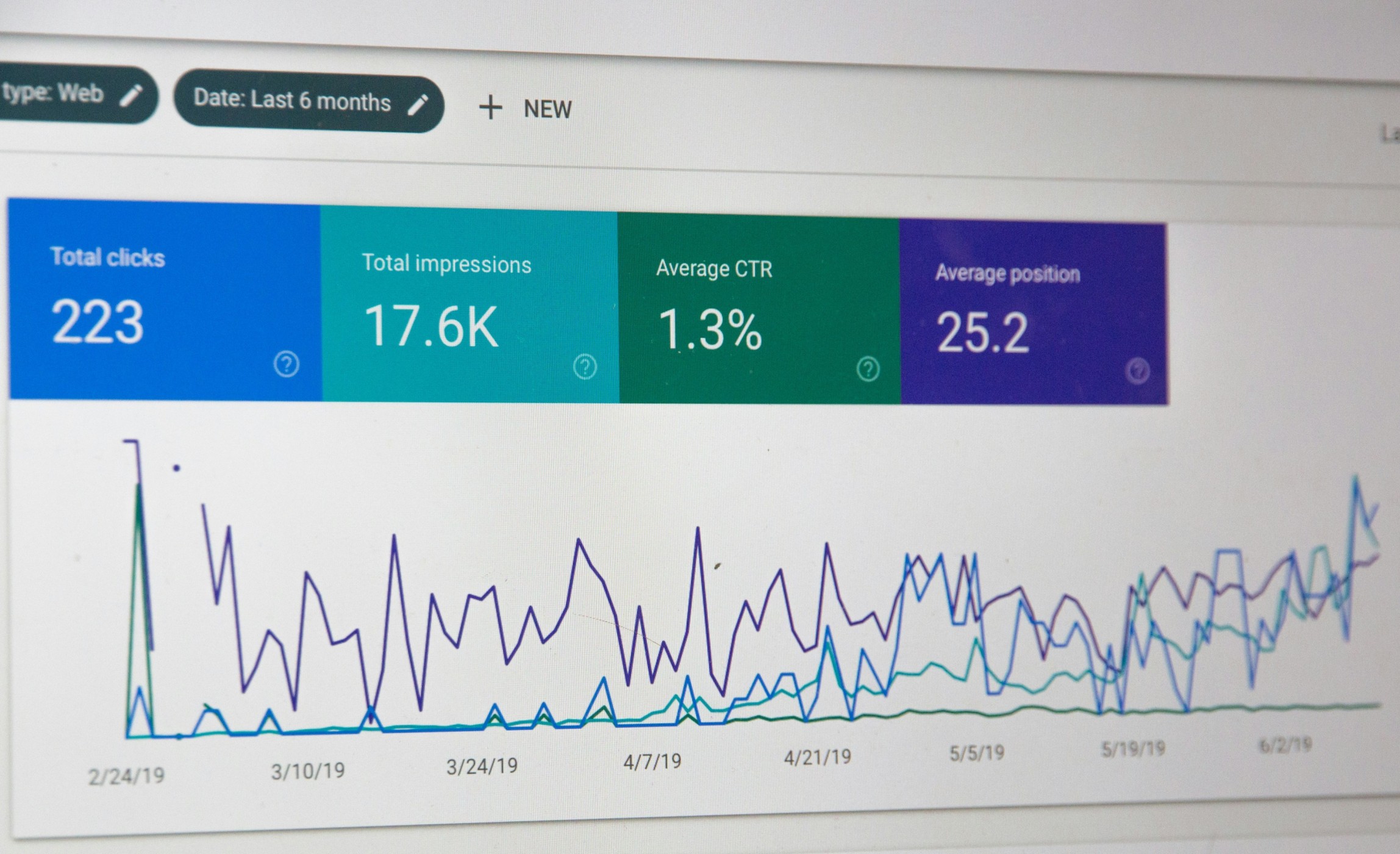
Reports in this category are unusually easy to dress up. Rankings can be shown for terms nobody searches, traffic growth can come entirely from brand queries you already owned, and impressions rise whenever Google shows you for something irrelevant. None of that is fraud, but none of it is evidence either.
Agree in advance on a small set of measures: non-brand organic sessions, enquiries attributed to organic, and the position of a short named list of commercially important terms in both languages. Ask for the raw search performance export alongside the slide deck. A supplier who is comfortable giving you the underlying data is telling you something about the work.
Turning the Athens list into two real conversations
Write the requirement once: your site, your two or three commercial priorities, who can deploy changes, and what a good year looks like in enquiries rather than rankings. Send it to a small number of firms and ask each for the same three things, the first quarter of work in order, the named people doing it, and the one thing they would refuse to do. If you would rather set the brief out once and receive answers in a comparable shape, describe the work and collect offers.
Keep custody of the assets while the relationship is good. The search property, the analytics account and the content management logins should sit in accounts your company owns, with the agency invited into them. Content produced under the retainer should be yours outright, including drafts. For a view of how this category is structured elsewhere and what the work usually contains, the overview of SEO agencies is the place to start, and if organic search is only one part of the plan, broader marketing teams answer a different brief.